Be yourself; Everyone else is already taken.
— Oscar Wilde.
This is the first post on my new blog. I’m just getting this new blog going, so stay tuned for more. Subscribe below to get notified when I post new updates.
Be yourself; Everyone else is already taken.
— Oscar Wilde.
This is the first post on my new blog. I’m just getting this new blog going, so stay tuned for more. Subscribe below to get notified when I post new updates.
Welcome to my blog!
What is media? Do you know that media are the communication outlets or tools used to store and deliver information or data. Let’s read and understand media.
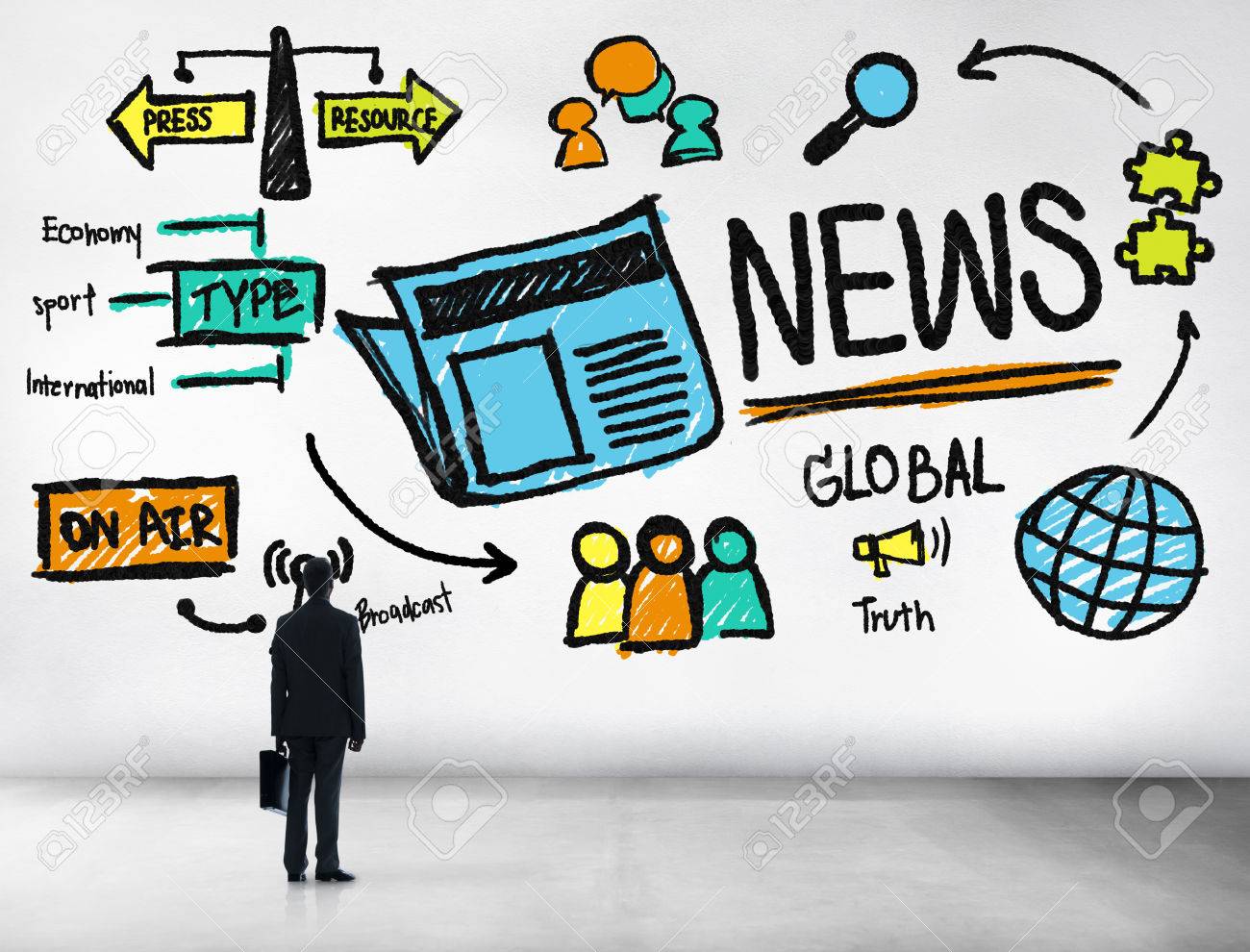
Media is an integral part of today’s society. We surrounded by so much media. As a student and a media and information literate I have learned many ways during the lessons about the different topics. In digital era we communicate in terms of technology and we uses smartphone in our daily lives. Example of this Facebook, Twitter, Instagram and more. The information coming from the media help me as a student and to be more literate in spreading information which should be accurate and verifiable. Media and Information Literacy (MIL) provides answers to the questions that we all ask ourselves at some point. It becomes an important tool in modern communication and the digital age has made it easy for anyone to create media. Posting and sharing is a part of our daily routine. Being a media user has a lot of responsibility in social media, we have this new kind of way to communicate with people that’s very immediate, sometimes alarmingly so, sometimes painfully so.
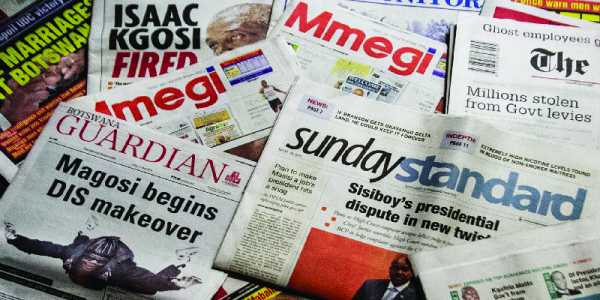
Types of media: Print Media- is one of the oldest and basic forms of communication. It includes newspapers, weeklies, magazines, monthlies, banners & graphics, posters and other forms of printed material.
Broadcast Media- provides valuable information, for example speeches, documentaries, interviews, advertisements, daily news, financial markets and much more.

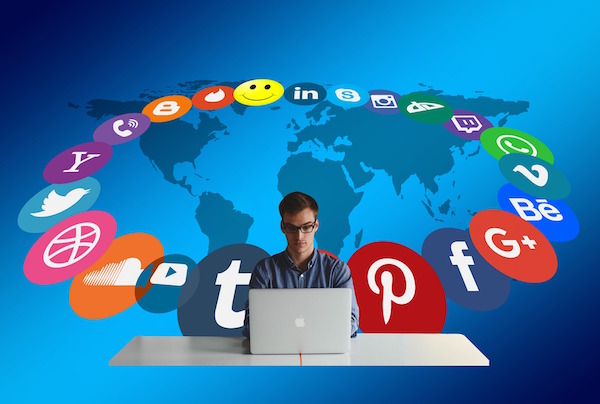
New Media- Facebook, YouTube, Twitter, Instagram and etc.
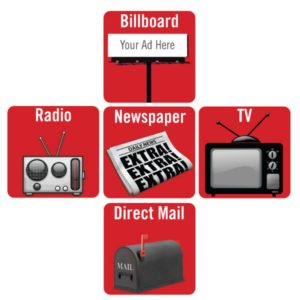
Traditional Media– includes television, radio, print such as newspapers or magazines, mail, and outdoor messages.
“Media study does not replace text. It broadens and deepens our understanding of texts.” Philip M. Anderson”
This is an example post, originally published as part of Blogging University. Enroll in one of our ten programs, and start your blog right.
You’re going to publish a post today. Don’t worry about how your blog looks. Don’t worry if you haven’t given it a name yet, or you’re feeling overwhelmed. Just click the “New Post” button, and tell us why you’re here.
Why do this?
The post can be short or long, a personal intro to your life or a bloggy mission statement, a manifesto for the future or a simple outline of your the types of things you hope to publish.
To help you get started, here are a few questions:
You’re not locked into any of this; one of the wonderful things about blogs is how they constantly evolve as we learn, grow, and interact with one another — but it’s good to know where and why you started, and articulating your goals may just give you a few other post ideas.
Can’t think how to get started? Just write the first thing that pops into your head. Anne Lamott, author of a book on writing we love, says that you need to give yourself permission to write a “crappy first draft”. Anne makes a great point — just start writing, and worry about editing it later.
When you’re ready to publish, give your post three to five tags that describe your blog’s focus — writing, photography, fiction, parenting, food, cars, movies, sports, whatever. These tags will help others who care about your topics find you in the Reader. Make sure one of the tags is “zerotohero,” so other new bloggers can find you, too.

 Site Title